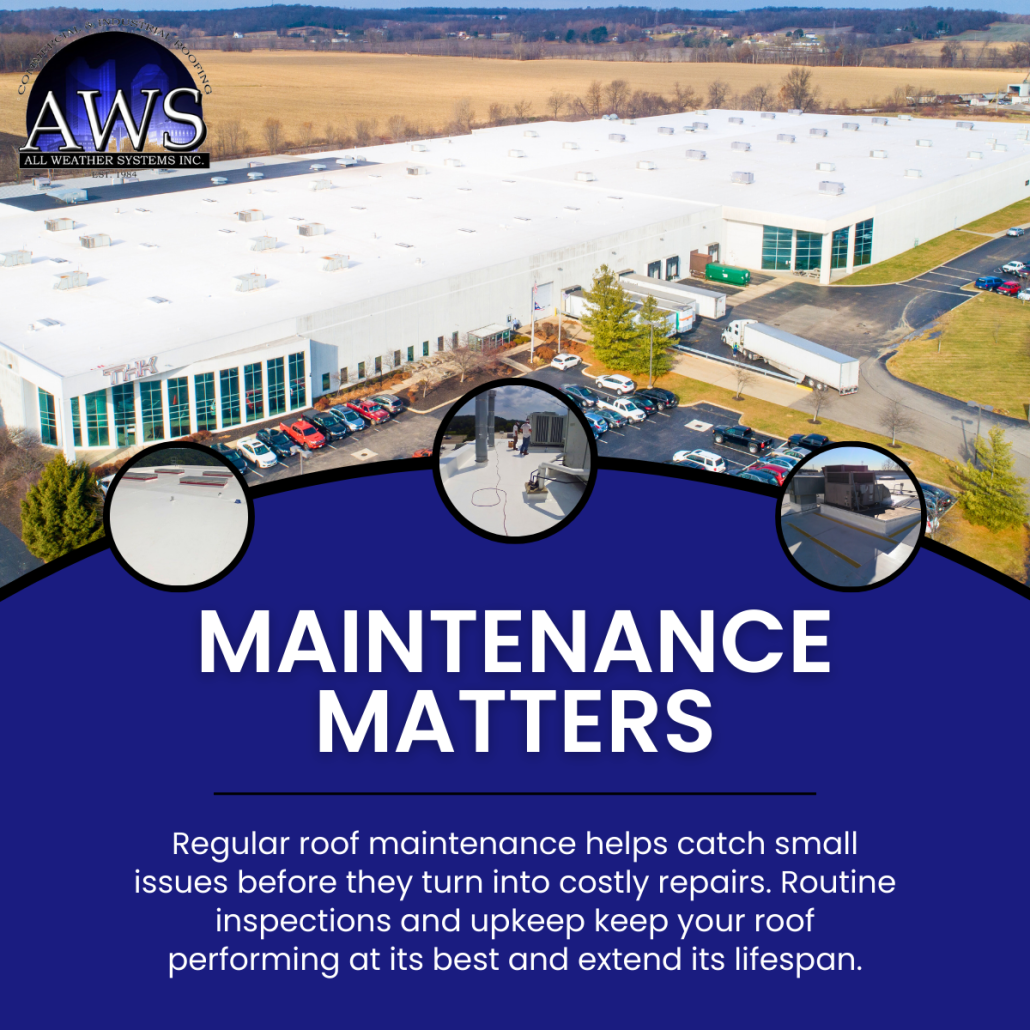
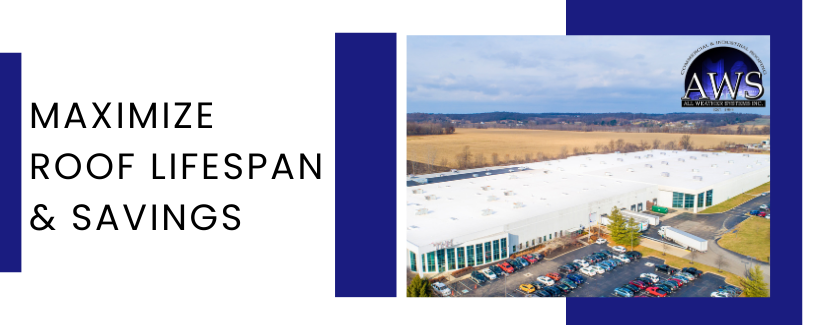
Preventative maintenance is one of the smartest investments a commercial property owner can make. Flat roof systems play a critical role in protecting equipment, inventory, employees, and daily operations. When a roof starts to fail, the impact can be significant. Water intrusion, mold, structural deterioration, damaged insulation, and operational downtime can all become expensive problems.
Preventative maintenance for flat roofs helps reduce these risks. A structured maintenance program identifies issues early, prevents costly emergencies, and extends the lifespan of the roof. Many commercial and industrial building owners are surprised by how much money they save once they commit to consistent roof care. The long-term return on investment is substantial, especially when compared to the costs of major repairs or premature replacement.
This blog explores the financial benefits of preventative maintenance for flat roofs. You will learn how routine care protects your investment, improves energy efficiency, reduces repair costs, and enhances the performance of the building. These insights help property owners plan smarter and understand why maintenance is not an expense but a strategic financial decision that pays off for years.
Understanding the Value of Preventative Maintenance for Flat Roofs
Flat roof systems are designed to be durable and long lasting. However, they face constant exposure to sun, rain, temperature swings, debris, foot traffic, and mechanical equipment. These conditions create wear and tear over time. When maintenance is ignored, small issues gradually become larger ones.
Preventative maintenance for flat roofs takes a proactive approach. Instead of reacting to leaks or structural damage once they appear, maintenance teams regularly inspect the roof and resolve issues before they escalate. This keeps the roof functioning properly and supports the long-term health of the building.
Many commercial facilities rely on flat roofs because they support HVAC placement, solar equipment, and ventilation systems. Without consistent inspections, these areas can become weak points. A clogged drain, loose flashing, open seam, or worn membrane can lead to water infiltration that spreads quickly. By addressing these issues early, property owners reduce the likelihood of costly interior damage.
Preventative maintenance also helps maintain compliance with manufacturer warranty requirements. Many warranties require documented care. When this maintenance is performed correctly, the warranty remains valid. This provides added financial protection for the building.
How Preventative Maintenance for Flat Roofs Reduces Repair Costs
Repair costs can accumulate quickly when maintenance is neglected. What begins as a small puncture or split seam can grow into a major leak that affects insulation, ceilings, walls, electrical systems, and flooring. These repairs are expensive and disruptive.
Preventative maintenance for flat roofs helps identify small problems while they are still easy and affordable to fix. This significantly reduces long-term repair costs and prevents emergency situations that require urgent service.
Common problems caught early include:
- Small punctures from foot traffic or equipment
- Deterioration around penetrations and flashing
- Early signs of drainage issues
- Minor membrane separation
- Ponding water that forms after rainfall
When these issues are handled quickly, they do not develop into major structural concerns. Early action saves money and keeps the building operating without interruption.
Buildings that rely on flat roofs often have scheduled maintenance budgets. Preventative maintenance helps keep spending predictable and manageable. Property owners avoid the financial stress of sudden emergencies or large capital projects.
The Long-Term Financial Benefits of a Maintenance Program
Preventative maintenance for flat roofs delivers more than just repair savings. It increases the overall return on investment by enhancing performance, improving efficiency, and delaying replacement costs.
Flat roof systems last significantly longer when they are cared for consistently. A roof that receives regular inspections and maintenance can last several years longer than one that is ignored. This reduces the frequency of full replacements, which are among the largest expenses for commercial buildings.
Maintenance also helps preserve insulation and improve energy performance. When moisture finds its way into the roof system, insulation loses effectiveness. This increases heating and cooling costs. By preventing moisture penetration, preventative maintenance helps maintain thermal efficiency and keep energy budgets under control.
When combined, these benefits create a strong return on investment that continues throughout the life of the roof.
Key Components of Preventative Maintenance for Flat Roofs
A successful maintenance program includes several essential steps. These tasks work together to protect the roof and support long-term performance.
Routine Inspection and Reporting
Inspections identify early signs of wear and help track the overall condition of the roof.
Cleaning and Basic Care
Removing debris, clearing drains, and checking rooftop equipment prevent buildup that can contribute to leaks.
Repairing Minor Issues Immediately
Small repairs reduce long-term damage and prevent problems from spreading.
Documentation
Maintenance reports help track roof performance, support warranty compliance, and guide future planning.
Preventative maintenance for flat roofs is effective because it treats the roof as a long-term asset. When maintenance teams understand the roof's history and condition, they can provide accurate recommendations and help property owners make informed decisions.
Operational Benefits That Support ROI
A commercial building relies on its roof for more than protection. The condition of the roof affects daily operations, employee safety, and facility performance.
Preventative maintenance for flat roofs helps maintain stability across several key operational areas. Buildings that prioritize maintenance benefit from fewer disruptions, reduced downtime, and improved safety. When employees do not have to work around leaks or structural concerns, productivity remains steady.
Flat roofs also support HVAC units and ventilation systems. When water seeps into these components, operational costs can increase significantly. Preventative maintenance reduces the risk of mechanical failures caused by water or moisture. This protects not only the roof but the equipment mounted on it.
Energy Efficiency and Cost Savings
Energy efficiency is a major factor in the ROI of flat roof maintenance. When insulation, membranes, and drainage systems remain in good condition, the roof helps regulate temperature and reduce energy consumption.
Preventative maintenance for flat roofs ensures that insulation stays dry and effective. Moisture damage is one of the most common causes of rising utility bills in commercial buildings. By preventing water infiltration, maintenance teams preserve the roof's thermal performance.
Many flat roof systems also include reflective materials or coatings. When these are maintained properly, they reduce heat absorption and keep indoor temperatures more consistent. This supports lower cooling costs and reduced strain on HVAC systems.
Over time, these savings add up and contribute to the overall ROI.
Preventing Major Structural Damage
Structural damage is one of the most expensive consequences of neglected roof maintenance. When water penetrates the roof system, it can reach decking, support beams, and interior walls. Repairing structural components requires significant time, labor, and budget.
Preventative maintenance for flat roofs helps identify early signs of structural risk. These warning signs are often invisible to building owners but are easy for trained professionals to spot. Addressing these issues early helps preserve the integrity of the building and avoid major restoration projects.
Structural protection is especially important for facilities that store valuable inventory or operate sensitive equipment. Maintenance keeps these areas safe and reduces the risk of operational disruption.
Identifying Risks Before They Become Emergencies
Emergencies create significant financial and operational strain. A sudden leak or major membrane failure can lead to damaged inventory, downtime, and unexpected repair costs.
Preventative maintenance for flat roofs helps minimize these emergencies. Regular inspections allow maintenance teams to identify vulnerabilities well before they become urgent problems. For example, early signs of membrane stress, drainage blockages, or mechanical damage can be addressed during routine visits.
This proactive approach gives property owners more control over their maintenance budgets and reduces the financial shock of emergencies.
Budget Planning and Predictable Costs
Budget planning is essential for commercial facilities. Preventative maintenance for flat roofs supports predictable spending by reducing surprise repairs and providing long-term performance insights.
Maintenance reports help property owners forecast future expenses and allocate funds strategically. When large repairs or replacements are needed, they can be planned years in advance rather than approached in a reactive manner.
Predictability allows businesses to protect cash flow and operate more efficiently.
The Role of Professional Maintenance Teams
A successful maintenance program relies on experienced professionals who understand flat roof systems. Trained teams know how to identify hidden issues, perform detailed inspections, and recommend the right solutions.
Property owners benefit from the expertise of professionals who have worked with many types of flat roofing materials, including TPO, PVC, EPDM, modified bitumen, metal, and hybrid systems. These experts understand how weather, equipment, and building use influence the roof's performance.
Preventative maintenance for flat roofs is most effective when handled by professionals who follow consistent procedures, understand warranty requirements, and provide clear documentation.
When Preventative Maintenance Leads to Long-Term Savings
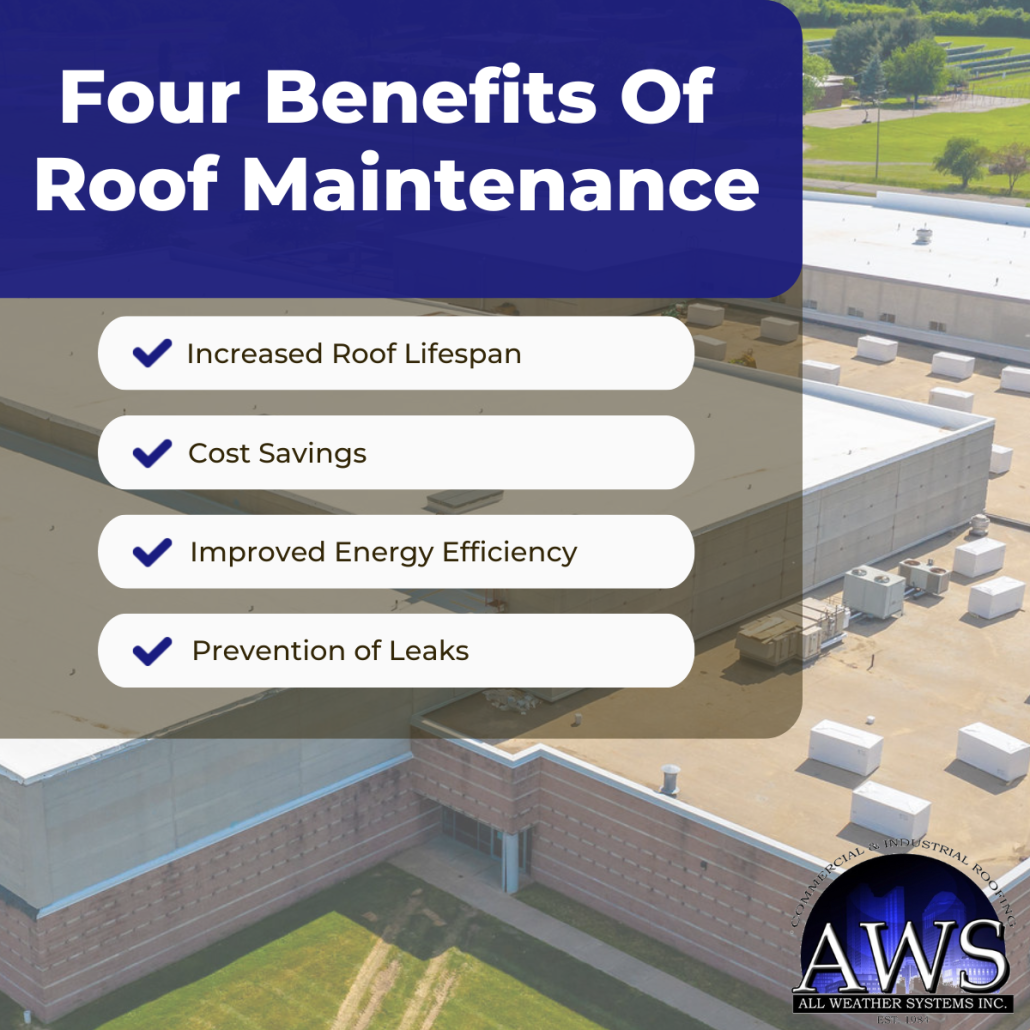
Many commercial property owners see significant savings after implementing a maintenance program. These savings often include:
- Reduced repair costs
- Fewer operational disruptions
- Lower energy bills
- Longer roof lifespan
- Fewer emergency calls
- Improved warranty protection
This combination creates a strong financial return on investment. The roof remains in dependable condition, and the building benefits from improved performance.
Planning a Preventative Maintenance Schedule
Creating a maintenance schedule helps ensure that the roof receives consistent care. Most commercial flat roofs benefit from two inspections per year. Additional inspections are recommended after major storms, heavy wind events, or rooftop equipment work.
Preventative maintenance for flat roofs works best when inspections are scheduled at the same time each year. This consistency helps maintenance teams track changes, identify recurring issues, and provide accurate recommendations.
Stop Reacting, Start Saving
Preventative maintenance for flat roofs delivers strong long-term value for commercial and industrial buildings. A consistent maintenance plan reduces repair costs, prevents emergencies, improves energy efficiency, and extends the lifespan of the roof. These benefits work together to protect the building and support stable operations.
Businesses that invest in a structured maintenance program gain a reliable return on investment and greater control over long-term costs. All Weather Systems supports commercial property owners with detailed inspections, preventative maintenance services, and long-term care strategies designed to protect flat roof systems and keep facilities operating with confidence. Get in touch with us today to learn more about preventative maintenance.