
Fall in Pataskala brings cooler temperatures, colorful leaves, and fluctuating weather patterns. While the season is visually appealing, it creates challenges for commercial roofs. Heavy rains, strong winds, and sudden temperature changes put stress on roofing materials, increasing the risk of leaks and structural wear.
Small issues that appear in fall can quickly become expensive problems in winter. A minor leak today may cause water damage, energy loss, and structural issues later. Debris buildup, blocked gutters, and weakened flashing can make these problems worse. Preparing your roof before the cold months is essential for protecting your property, maintaining energy efficiency, and preventing emergency repairs.
Fall roof prep in Pataskala ensures your roof is ready to handle the changing weather. Proactive maintenance protects your building, improves durability, and extends your roof's lifespan. Taking action now helps avoid costly repairs and keeps your business safe throughout winter.
Why Fall Roof Maintenance Is Essential
Fall is a critical time for roof care because of seasonal weather and local climate conditions. Mild temperatures make inspections and repairs safer and more effective, while lower humidity helps sealants and coatings cure properly. The season also brings a reduced risk of severe storms compared to winter, making it the ideal window for preventive work.
In Pataskala, shifting from warm afternoons to chilly nights causes roofing materials to expand and contract. Over time, this movement can loosen fasteners, crack sealants, and create gaps. Falling leaves and other debris can also clog gutters and drains, leading to water pooling on the roof surface. In addition, strong autumn winds may shift shingles, loosen panels, or damage flashing.
Without proper attention, these issues worsen as winter sets in. Cracks expand when water freezes, standing water collects on flat roofs, and worn flashing allows leaks. Damp insulation then reduces energy efficiency, driving up heating costs. Taking care of your roof now helps prevent emergency repairs, costly downtime, and major damage in the colder months.
Recognizing Roof Damage
Identifying signs of damage early is critical for effective fall prep. One of the first things to look for is water that lingers after rain, since standing pools can quickly weaken roofing materials. Debris like leaves and sticks may also block drainage, while cracks, blisters, or bubbles on membranes indicate that moisture is already causing problems. On metal roofs, rust or corrosion around fasteners and seams is another red flag, and damaged or missing flashing around vents, skylights, or edges can let water seep inside.
Structural warning signs often show up as soft or spongy spots underfoot, sagging sections, or loose fasteners that compromise stability. Inside the building, water stains on ceilings or walls, musty odors, and damp insulation all point to roof leaks. Even drafts around skylights or roof hatches can signal gaps that need attention.
If these issues are ignored, they can quickly escalate into interior water damage, mold growth, higher energy bills, and premature roof deterioration. Proactive fall roof prep in Pataskala ensures small problems are caught early, helping business owners avoid costly repairs and extend the life of their roofing system.
Step-by-Step Fall Roof Maintenance
A structured approach ensures your roof is ready for winter.
Cleaning:
- Remove leaves, twigs, and debris from the roof surface.
- Sweep away dirt and dust that can trap moisture.
- Clear gutters, downspouts, and scuppers to allow proper drainage.
Pro tip: Even small piles of wet leaves can cause water to back up and seep under the roof covering.
Inspection and repairs:
- Examine flashing, vents, and skylights for cracks or gaps.
- Seal minor cracks in membranes using manufacturer-approved materials.
- Replace loose or missing fasteners.
- Patch holes before they spread.
- Inspect roof edges and parapets for wear or separation.
Structural checks:
- Walk the roof carefully to check for soft spots or sagging areas.
- Ensure proper slope for water drainage.
- Verify roof deck and support structures for signs of stress.
Protective measures:
- Apply roof coatings for added weather resistance.
- Trim overhanging tree branches to prevent damage.
- Install snow guards for areas with expected winter snow.
- Secure roof access points and vents against wind damage.
Following this checklist ensures fall roof prep in Pataskala is thorough and effective.
Roof Types and How Fall Weather Affects Them
Different roofs require tailored maintenance approaches.
PVC roofs:
- Prone to cracking due to temperature fluctuations.
- Inspect seams, flashing, and penetrations for gaps.
- Remove debris to prevent trapped moisture and membrane damage.
Metal roofs:
- Panels can loosen in strong winds.
- Check fasteners and seams.
- Look for signs of rust or corrosion.
TPO roofs:
- Membranes may tear in high winds or from debris impact.
- Inspect seams and penetrations for gaps.
- Clean drains to prevent ponding water.
Flat roofs:
- Vulnerable to standing water.
- Inspect membranes for blisters or cracks.
- Ensure drainage paths are clear and functional.
Each roof type reacts differently to temperature swings, rainfall, and wind. That's why fall roof prep in Pataskala should focus on the specific needs of your roofing system. Understanding these differences helps you target maintenance where it's needed most, prevent damage, and keep your roof strong and reliable through the winter months.
Common Mistakes to Avoid
Avoid these pitfalls to ensure effective fall roofing:
- Ignoring gutters and drains.
- Overlooking small leaks or cracks.
- Delaying maintenance until winter.
- Attempting DIY repairs without proper tools or training.
- Skipping inspection of flashing and roof edges.
- Failing to secure loose equipment or rooftop units.
- Neglecting seasonal sealant application.
- Missing early signs of rust or corrosion.
- Not documenting repairs for warranty purposes.
Preventing these mistakes protects the roof and reduces future repair costs.
Winter Prep Considerations
Fall roof prep in Pataskala is one of the best defenses against winter roofing challenges. Ice dams are a common problem when gutters are clogged, so cleaning them out ensures water can drain freely. Proper insulation is also important, since it reduces heat loss that causes ice buildup. Checking the slope of the roof helps identify areas where ice is most likely to accumulate and allows you to correct problems before snow arrives.
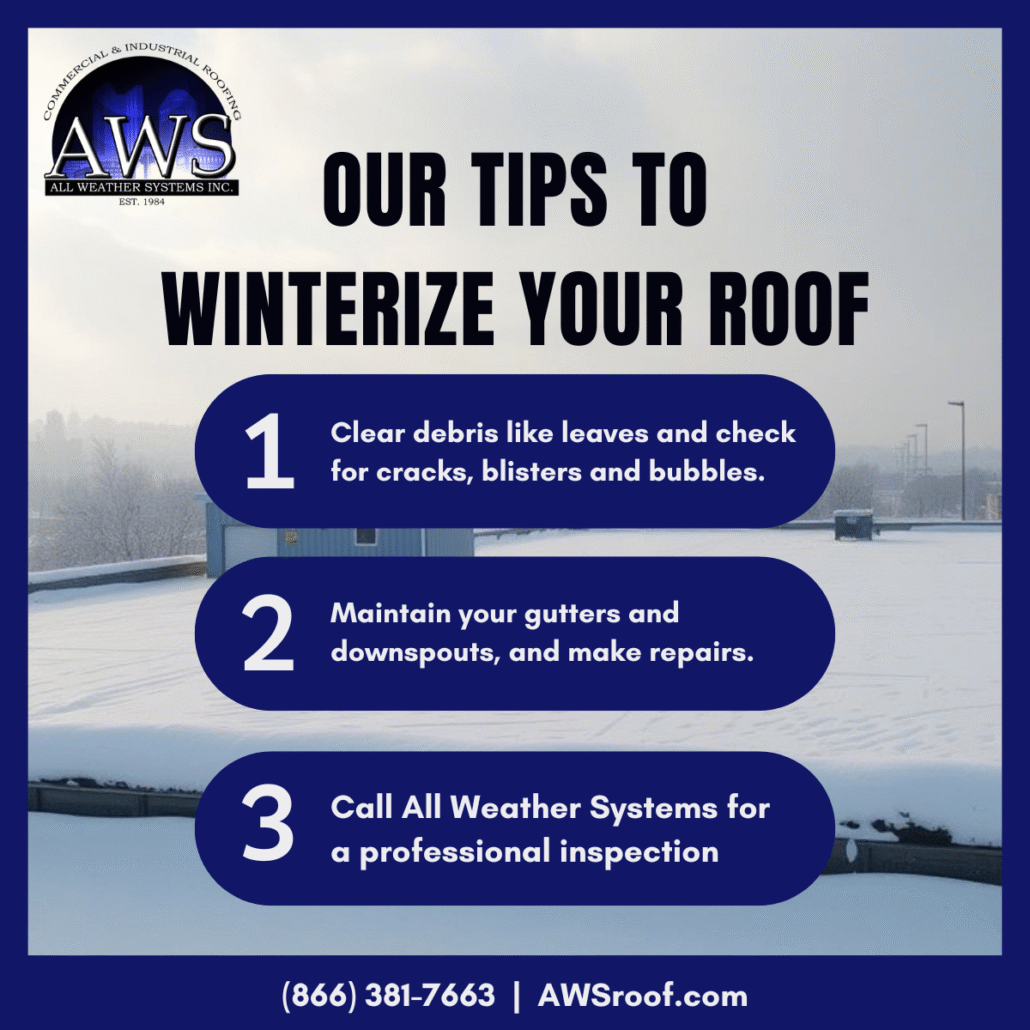
Snow load is another concern, especially on flat roofs. Keeping the surface clear of debris prevents standing water and reduces the weight of snow that collects. In areas where heavy snow is expected, installing snow guards provides an extra layer of protection and prevents dangerous sliding snow.
Finally, leak prevention is essential before freezing weather sets in. Sealing small cracks, repairing flashing, and clearing drains or scuppers all help keep water out and reduce the chance of ice blockages. With proactive fall roof prep in Pataskala, businesses can avoid emergency repairs, protect daily operations, and keep their buildings safe throughout the winter.
Professional Roof Inspections
Professional inspections offer a deeper assessment than DIY checks.
What to expect during an inspection:
- Full roof surface inspection.
- Checking seams, joints, and flashing.
- Moisture testing to detect hidden leaks.
- Evaluating drainage and slope.
- Documenting issues with photos and recommendations.
Benefits:
- Identifies hidden problems before they escalate.
- Maintains warranty coverage by meeting manufacturer standards.
- Provides advice specific to Pataskala weather conditions.
Hiring a professional roofing contractor is a key step for thorough fall roof prep in Pataskala.
Budgeting and Scheduling
Effective fall roof prep in Pataskala starts with proper planning to control costs and ensure results. When budgeting, it's wise to allocate funds for professional inspections twice a year and set aside money for unexpected repairs. Comparing the cost of repairs to potential replacement expenses can help prioritize work, and taking advantage of early-season pricing or discounts can save money.
Scheduling maintenance is just as important as budgeting. Booking inspections early in the fall helps avoid contractor backlogs and ensures work can be completed before winter arrives. Coordinating roofing work with other building maintenance can reduce downtime and streamline operations. Finally, keeping detailed records of inspections and repairs protects warranty coverage and provides a reference for future maintenance decisions.
Frequently Asked Questions
How often should commercial roofs be inspected? Twice a year; fall and spring.
Can maintenance be done without a professional? Some DIY cleaning is possible, but inspections and repairs should be handled by trained professionals.
What if the roof is already leaking? Schedule repairs immediately to prevent damage escalation.
Do all roof types need the same prep? No. PVC, metal, TPO, and flat roofs each have unique vulnerabilities.
Are small cracks a big concern? Yes. Cracks expand with freezing and thawing, causing larger leaks.
How do gutters affect roof health? Clogged gutters lead to standing water, increasing the risk of leaks and membrane damage.
Does seasonal maintenance improve energy efficiency? Yes. Well-maintained roofs insulate better and reduce heating costs.
Can fall prep extend a roof's lifespan? Consistent maintenance can add years to your roof and save on replacement costs.
How does Pataskala's climate affect roof prep? Temperature swings, rain, and wind make early inspection essential to prevent winter damage.
What's the most overlooked part of fall prep? Flashing, roof edges, and drains are often ignored, leading to leaks.
Can minor repairs prevent major winter damage? Absolutely. Addressing leaks, cracks, and drainage issues now saves thousands later.
Securing Your Business
Fall brings unpredictable weather that can challenge any commercial roof. Proactive maintenance ensures your roof withstands rain, wind, and temperature swings. Taking action now helps prevent minor issues from turning into costly repairs during the harsh winter months. Even small leaks or blocked drains can lead to water damage, mold growth, or structural problems if left unaddressed.
Fall roof prep in Pataskala protects your property, reduces repair costs, and improves energy efficiency. By clearing debris, inspecting for damage, repairing any cracks or loose materials, and preparing the roof for winter, businesses can maintain a safe, fully functional building. Proper fall maintenance also helps extend the life of your roof, ensuring it performs efficiently year after year and maintains the building's overall value.
All Weather Systems has decades of experience helping Ohio businesses prepare their roofs for fall and winter. Our team provides professional inspections, expert repairs, and preventive maintenance tailored to local conditions. We understand how Pataskala's seasonal changes impact roofs and offer practical solutions to prevent damage. Scheduling fall roof prep now gives peace of mind, knowing your building is protected against leaks, drafts, and water damage. Protect your investment, avoid unexpected costs, and ensure your roof is ready for whatever the season brings.
Reach out to All Weather Systems today to schedule your fall roof inspection.
Local: 740-323-3174 | Toll Free: 866-381-7663