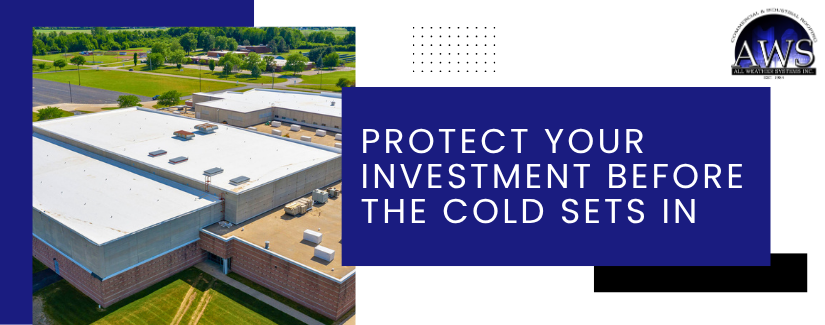
Commercial and industrial roofs are constantly exposed to the elements. While summer heat and spring storms can take a toll, it is the transition into fall that sets the stage for potential winter damage. A thorough inspection during the fall allows business owners and facility managers in Heath to identify weaknesses, address minor repairs, and ensure their roof is ready for colder months. Fall roof inspections in Heath are not just preventative, they are essential for maintaining long-term structural integrity, protecting expensive equipment, and avoiding costly operational disruptions.
Temperatures in Heath fluctuate significantly during the fall, with cooler nights and warm afternoons creating conditions that can stress roofing materials. Moisture from autumn rains, combined with leaves, dust, and industrial debris, can clog drains, block water flow, and increase the risk of leaks. Preparing your commercial or industrial roof for these challenges now helps prevent major issues during the winter months when repairs are more difficult, disruptive, and expensive.
Seasonal Impacts on Commercial Roofs
Different commercial and industrial roof types react differently to seasonal changes in Heath. Flat and low-slope roofs, common in warehouses, factories, and large commercial buildings, are especially vulnerable to ponding water, debris accumulation, and membrane damage. Metal roofs, frequently used in industrial facilities, can experience thermal movement, loose fasteners, and seam separation over time. Fall inspections give roofing contractors the opportunity to examine each roof type carefully and recommend tailored solutions.
- Flat and Low-Slope Roofs: Check for ponding water, membrane cracks, blisters, and blocked drains.
- Metal Roofs: Inspect fasteners, seams, and areas where thermal expansion or contraction may have caused gaps or movement.
- Roof Penetrations: Vents, skylights, HVAC equipment, and other penetrations are inspected for leaks or flashing issues.
By catching potential problems early, facility managers can schedule repairs before winter, reducing the risk of water damage, energy loss, and operational interruptions.
Common Issues Identified During Fall Inspections
Fall roof inspections in Heath often reveal issues that are not visible from ground level. Loose or damaged membrane sections, compromised flashing, clogged drains, and early signs of water intrusion are frequently identified during professional inspections. For low-slope and flat roofs, particular attention is given to areas where water pools after rain, as these spots can freeze and cause damage during winter. On metal roofs, loose panels, rust spots, or gaps around seams are common issues that need addressing before snow and ice accumulate.
Early detection allows repairs to be scheduled under favorable conditions, ensuring the roof can withstand winter storms without risking damage to the building interior, industrial equipment, or stored materials. Addressing these issues proactively reduces emergency repair costs and avoids operational downtime.
Energy Efficiency and Operational Savings
Commercial and industrial roofs play a critical role in energy efficiency. Leaks, gaps, or damaged insulation can allow heat to escape in the winter, increasing heating costs and putting extra strain on HVAC systems. A thorough fall inspection helps identify these weak points, allowing facility managers to correct them before the cold months. Efficient roofing also prevents ice buildup and reduces the risk of condensation, which can damage both the roof structure and stored inventory.
- Reduced Heat Loss: Sealing leaks and maintaining insulation ensures interior spaces remain at stable temperatures.
- Lower Energy Costs: Proper roof maintenance reduces the workload on heating systems.
- Sustainability Benefits: Energy-efficient commercial roofs help reduce operational energy consumption, contributing to environmental goals.
Preparing for a Professional Fall Roof Inspection
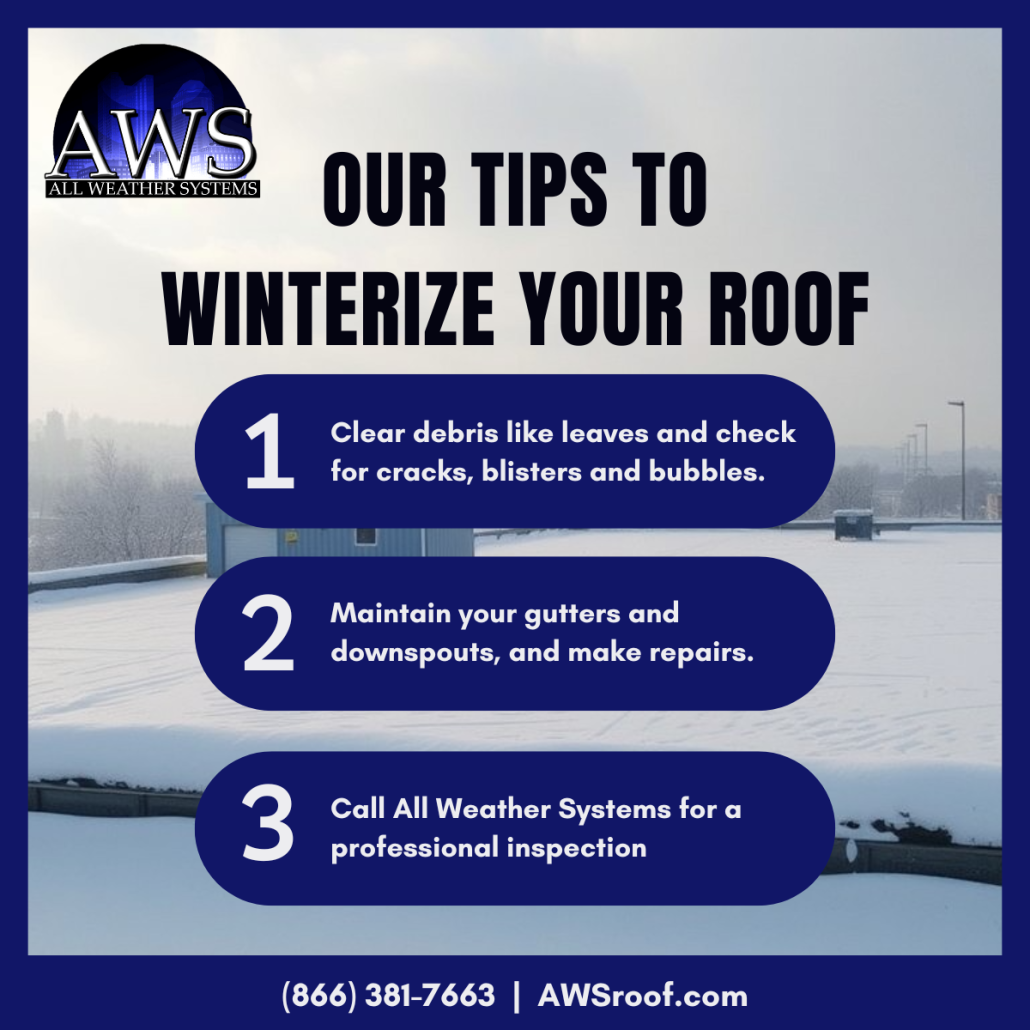
Before scheduling a fall roof inspection, facility managers can take several steps to ensure the process is thorough and efficient. Clearing debris such as leaves, branches, or industrial waste from the roof and gutters allows contractors to fully assess the surface. Inspecting rooftop equipment and removing obstructions can make it easier for inspectors to evaluate critical areas. Maintaining a record of previous repairs or maintenance helps contractors identify recurring issues and recommend the best solutions.
Facility managers should also ensure that safe access to the roof is available for the inspection team. Many commercial and industrial roofs have areas that are difficult to reach, such as roof edges, HVAC platforms, or skylight zones. Providing ladders, walkways, or clear paths ensures that the inspection is safe and comprehensive. Documenting visible signs of wear, such as minor cracks or loose panels, allows contractors to focus on potential problem areas. These preparation steps can save time, reduce the risk of missed issues, and help facility managers make informed decisions about repairs and maintenance.
The Professional Inspection Process
A commercial roof inspection is a detailed and methodical process. Experienced roofing contractors assess every component of the roof, starting with the membrane or surface material. For flat roofs, they check for cracks, blisters, and areas of standing water that could worsen during winter. Metal roofs are examined for loose fasteners, seam separation, and signs of corrosion. Roof penetrations such as vents, skylights, HVAC equipment, and exhaust systems are carefully inspected for gaps, worn flashing, or leaks.
Inspectors also evaluate roof drainage systems to ensure that gutters, downspouts, and internal drains are functioning correctly. Proper drainage prevents water accumulation, which can freeze in winter and lead to structural damage. In addition, inspectors may examine insulation, roof decking, and internal ceiling spaces to identify hidden leaks, moisture, or condensation. After the inspection, contractors provide a detailed report that includes photographs, notes, and recommendations. This report allows facility managers to plan repairs, schedule maintenance, and budget for any necessary work well in advance of winter.
Seasonal Maintenance and Immediate Repairs
Fall inspections often uncover issues that require immediate attention. Prompt repairs protect the facility from winter-related damage and reduce the risk of operational disruptions. Common maintenance tasks include sealing leaks, replacing damaged membrane sections, repairing flashing, and clearing clogged drains. For metal roofs, tightening loose fasteners and addressing minor corrosion prevents larger problems caused by snow and ice accumulation.
In addition to repairs, contractors may recommend preventive measures such as reinforcing vulnerable roof sections, applying protective coatings, or installing additional drainage features. These steps improve the roof's ability to handle snow load, ice formation, and seasonal temperature fluctuations. By addressing repairs and preventive measures in the fall, businesses can avoid emergency work during the winter months, which is often more costly and disruptive.
Long-Term Benefits of Fall Roof Inspections
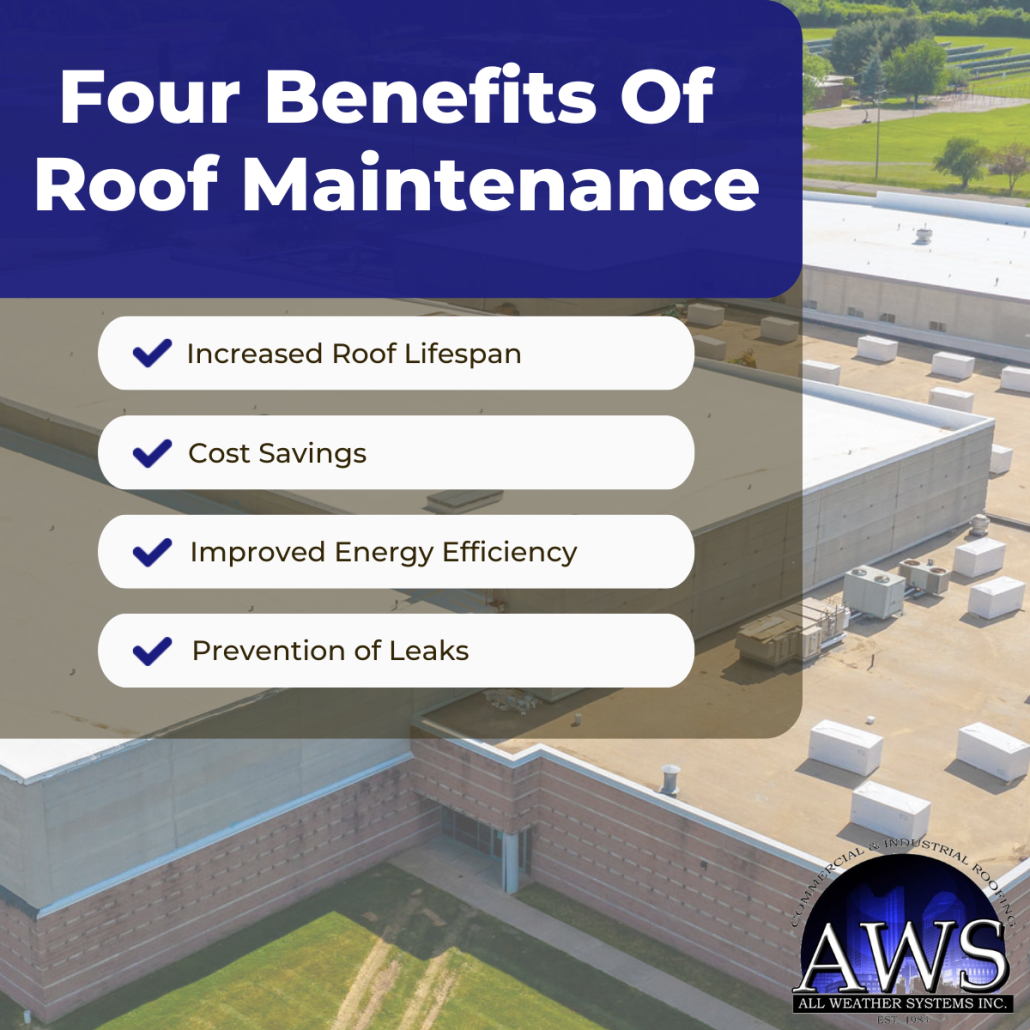
Investing in fall roof inspections in Heath provides long-term advantages for commercial and industrial property owners. Regular inspections extend the life of the roof by identifying and addressing small issues before they become significant problems. This proactive approach reduces overall maintenance costs, prevents water damage to the building interior, and protects expensive equipment stored inside.
A well-maintained roof also improves energy efficiency. By ensuring the roof is properly sealed and insulated, heating systems operate more effectively, reducing energy consumption and lowering operational costs. Additionally, maintaining the roof in good condition can positively impact insurance coverage, as many insurers consider proactive maintenance when evaluating risk.
- Extended Roof Lifespan: Regular inspections and timely repairs prevent premature roof failure.
- Reduced Operational Costs: Avoiding emergency repairs and improving energy efficiency saves money.
- Insurance and Compliance Benefits: Maintaining the roof demonstrates proactive management, which may affect coverage and premiums.
Scheduling Your Fall Roof Inspection
Now is the ideal time for commercial and industrial property owners in Heath to schedule fall roof inspections. By addressing potential problems before winter, facility managers can ensure that their roofs are prepared for snow, ice, and freezing temperatures. Professional inspections provide peace of mind by identifying issues early, recommending cost-effective repairs, and helping businesses maintain uninterrupted operations throughout the winter months.
Facility managers who take advantage of fall inspections protect their building investment, extend the life of their roof, and enhance energy efficiency. A properly maintained roof also prevents unnecessary strain on heating systems and avoids the costly consequences of emergency repairs. Ensuring that your roof is ready for winter conditions is not only a smart operational decision but also a financial one. Early action reduces the likelihood of unexpected repairs, prevents water damage, protects equipment, inventory, and employee safety, and helps maintain compliance with safety and insurance standards. Proactive inspections ultimately save time, reduce operational disruptions, and provide confidence that the facility is secure against the challenges of the colder months.
Protecting Your Commercial Roof Investment
Fall roof inspections in Heath are more than just a seasonal task. They are a critical step in preserving the value, safety, and long-term performance of commercial and industrial buildings. Regular inspections allow facility managers to detect early signs of damage, address minor issues before they escalate, and ensure that every component of the roof is functioning as intended. By partnering with experienced roofing contractors, property owners gain access to expert knowledge, thorough inspections, and actionable recommendations tailored to the specific roof type, materials, and operational needs of their facility. Proper maintenance and timely repairs help roofs withstand harsh winter conditions, enhance energy efficiency, and prevent costly downtime that can disrupt daily operations or impact critical industrial processes.
Scheduling your inspection now ensures that your roof is fully prepared for the colder months ahead. Fall inspections allow facility managers to plan repairs strategically, avoid emergency work during snow or ice events, and protect both the building structure and the valuable equipment or inventory housed inside. Taking proactive steps now can extend the roof's lifespan, maintain compliance with insurance and safety standards, and provide peace of mind that the facility is secure.
All Weather Systems provides thorough and reliable fall roof inspections in Heath, helping commercial and industrial properties identify potential issues early and prevent costly damage. Our experienced team delivers detailed assessments and tailored solutions that keep your roof performing at its best year-round. Contact All Weather Systems today to schedule your inspection and ensure your facility is ready to face the winter season with complete confidence.