
Preparing a commercial building for winter is one of the smartest steps a facility manager can take to protect long-term performance. Cold temperatures, high winds, freezing rain, and snow can place significant stress on the structure of a roof. When these conditions arrive, issues that seemed minor during warmer seasons can quickly turn into expensive repairs. For companies focused on operational stability, preventative planning is essential.
Commercial roofing in Newark requires a thoughtful and proactive approach. Winter weather in the region is known for rapid temperature swings, heavy snow accumulation, and moisture-related challenges that can affect low-slope and flat roofs. The right maintenance plan helps businesses reduce downtime, protect their investments, and stay ahead of issues that may disrupt daily operations. This blog explores practical strategies to prepare your commercial roof for winter, including inspections, repairs, drainage improvements, and long-term maintenance planning.
Understanding the Winter Impact on Commercial Roofing in Newark
Winter weather affects roofing systems in many different ways. Each season presents its own set of challenges, but winter often brings the most stress. Buildings with aging or neglected roofs face the greatest risk of damage once temperatures drop.
Commercial roofing in Newark must be ready to withstand freeze and thaw cycles. When water settles on the roof and temperatures change, the expansion and contraction can weaken roofing materials. Even durable systems can experience stress if they are not properly maintained.
Snow accumulation can create additional pressure. Heavy snow loads test the structure and can lead to sagging or ponding water once it begins to melt. Ice formations near drains and edges can create barriers that prevent proper water flow, which increases the likelihood of leaks.
Wind also plays a role during winter storms. Loose materials can lift or peel away, allowing moisture to enter the building. Once water breaks through the surface, it can spread quickly inside insulation and decking.
Because of these challenges, commercial roofing in Newark benefits from careful planning before winter arrives. A strong prevention strategy can significantly reduce unexpected repairs and extend the life of the roof.
Start with a Comprehensive Roof Inspection
A detailed roof inspection is one of the most important steps in winter preparation. Inspections give facility managers a clear understanding of the current condition of the roof. This helps identify issues that need attention before snow and ice create larger problems.
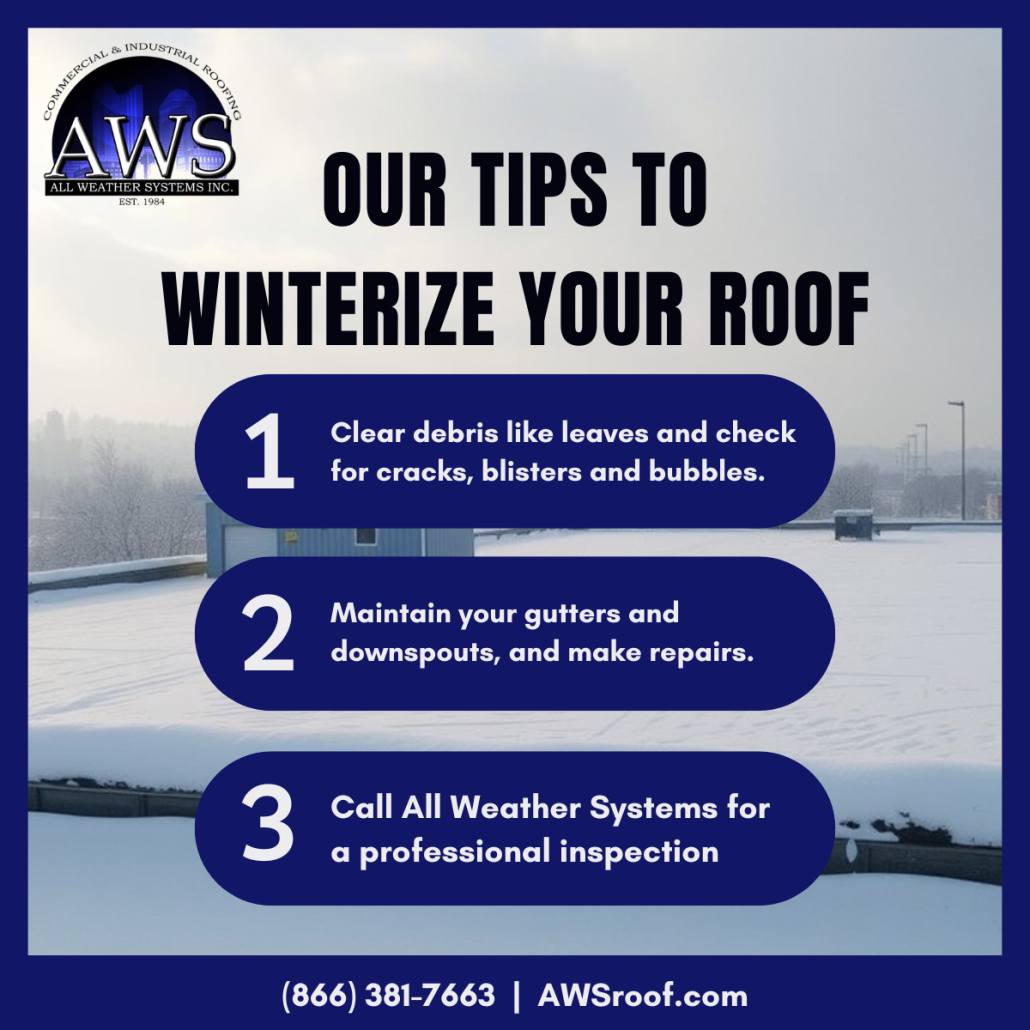
During an inspection, a trained professional evaluates the entire roofing system. This includes membrane surfaces, seams, flashing, drainage points, rooftop equipment, and access areas. Even small signs of wear can become serious risks during winter.
Key issues inspectors look for include:
- Cracks or punctures in membrane surfaces
- Loose or damaged flashing
- Debris blocking drains or gutters
- Weak or soft areas in the roof deck
- Worn sealant around vents or mechanical units
These issues are easier and more cost-effective to fix before temperatures drop. Addressing them early supports longer roof life and lowers maintenance expenses throughout the winter season.
Repair Damage Before the First Freeze
Once an inspection is complete, the next step is addressing any problems that were identified. Repairs completed in late fall help strengthen the roof and reduce the chance of leaks during the coldest months.
Even minor issues should be handled quickly. A small puncture that appears insignificant in September can become a major leak in January. Water that seeps into the roof can freeze, which expands the damage and weakens the structure.
Typical pre-winter repairs include sealing seams, fixing flashing, and patching membrane tears. Some repairs may also involve reinforcing areas that experience heavy foot traffic or modifying drainage systems to support improved water flow. These repairs contribute to better performance and reduce winter energy loss.
Improve Drainage for Winter Weather
Good drainage is essential for commercial roofing in Newark, especially during winter when melting snow can lead to excessive water accumulation. Poor drainage increases the risk of ponding, which creates added pressure on the building structure.
Snow that melts and refreezes can create ice dams around drains and scuppers. These blockages prevent water from leaving the roof and can cause leaks as water backs up. Improving drainage before winter helps keep water moving correctly.
Common drainage improvements include:
- Cleaning debris from drains, gutters, and downspouts
- Repairing damaged scuppers or strainers
- Adjusting slopes in areas where water collects
- Removing unnecessary items that interfere with water flow
A roof with proper drainage is better positioned to handle melting snow and rain mixtures. It also reduces the likelihood of structural stress during the winter season.
Check Insulation and Energy Efficiency
Winter is the season when a well-insulated roof makes a noticeable difference. Strong insulation helps maintain comfortable indoor temperatures and reduces energy costs. Without proper insulation, heat can escape through the roof, leading to higher utility bills and increased strain on HVAC equipment.
Commercial roofing in Newark benefits from insulation checks before the cold sets in. If insulation is damaged, wet, or compressed, it cannot perform effectively. Moisture in insulation can also create mold concerns and may lead to a shorter lifespan for the roof deck.
Energy efficiency improvements may involve upgrading insulation, repairing wet sections, or adding reflective or high-quality roofing materials in areas where performance is lacking. These actions help businesses maintain a more stable indoor environment while saving money throughout the winter.
Prepare Rooftop Equipment
Many commercial buildings have mechanical equipment installed on the roof. HVAC systems, vents, skylights, and electrical units all require attention during winter preparation. When rooftop equipment is not properly secured or sealed, winter conditions can lead to leaks and energy loss.
Loose panels, worn gaskets, and deteriorated flashing are common issues around rooftop units. These problems can worsen when exposed to snow and ice. Proper sealing and reinforcement ensure that equipment remains protected and that the roof maintains its integrity.
Preparing equipment also helps reduce the volume of emergency service requests during winter, which can be difficult to schedule during severe weather.
Create a Snow and Ice Management Plan
Winter storm management is a key part of commercial roofing in Newark. Once snow begins to accumulate, businesses need a plan to handle it safely. Heavy snow loads can create structural stress, especially on flat roofs. While most buildings are designed to support typical seasonal snowfall, heavy or repeated storms can push the limits of the roof structure.
A snow and ice management plan identifies who will remove the snow, how much snowfall triggers action, and what safety precautions need to be followed during the process. Only trained personnel should handle snow removal on commercial roofs. This avoids unnecessary damage to membrane surfaces or drainage systems.
Ice should also be monitored throughout the winter. Ice formations near drains, edges, and rooftop equipment can create problems if not addressed promptly.
Protect Roof Edges and Vulnerable Areas
Roof edges are particularly vulnerable during winter. Wind uplift often begins at the edges, making reinforcement critical. Checking metal edging, membranes, and attachment points helps ensure that high winds do not create openings.
Corners and seams are also at risk. Winter weather can cause these areas to expand and contract, which may loosen materials over time. Strengthening vulnerable areas increases protection during storms and reduces maintenance during the winter season.
Commercial roofing in Newark must be able to withstand changing temperatures and frequent winter storms. Attention to detail in these areas supports long-term performance.
Maintain Interior Protection as Well
Roof preparation does not end at the exterior. Interior protection plays a key role during winter. A commercial roof works together with insulation, ventilation, and indoor climate control to maintain a stable environment.
Facility managers should monitor ceiling tiles, interior walls, and mechanical rooms for early signs of moisture or air leaks. These indicators may signal roofing problems long before they become visible on the surface.
Early detection helps address issues quickly and supports a safer and more efficient building during winter.
Plan for Regular Winter Checkups
Even after a roof is fully prepared, winter weather can bring unexpected challenges. Regular checkups help identify concerns such as ice buildup, drain blockages, and wind-related issues.
Commercial roofing in Newark benefits from mid-season inspections, especially after major storms. These inspections ensure that the roof continues to perform well and that no damage has occurred during severe weather events.
Frequent monitoring reduces emergency repair needs and helps extend the overall lifespan of the roof.
Invest in Long-Term Maintenance
Winter preparation is just one part of an effective maintenance plan. A long-term strategy includes routine inspections, scheduled repairs, and ongoing performance evaluations throughout the year. This approach helps businesses stay ahead of problems and reduces the likelihood of expensive repairs.
Commercial roofing in Newark performs best when supported by a consistent maintenance schedule. Long-term planning improves durability, supports energy efficiency, and ensures that roofing systems continue to protect the building well beyond the winter months.
Plan for Long-Term Performance
Preparing for winter is essential for any business that wants to protect its commercial building and reduce the risk of unexpected roofing issues during the coldest season of the year. A strong winter preparation plan extends the life of the roof, supports energy efficiency, and prevents costly repairs that often arise when cold weather arrives. A well-maintained roof also improves overall building performance and helps create a safer and more comfortable environment for everyone inside.
All Weather Systems provides the knowledge, experience, and hands-on support that businesses need to get winter-ready with confidence. Our team understands how winter affects different roofing conditions, how to identify hidden vulnerabilities, and how to recommend the right steps to strengthen a roof before temperatures drop. We offer detailed inspections, clear guidance, and dependable service that prepares your building for the demanding winter months. With our help, businesses can prevent unexpected issues, improve long-term performance, and feel confident that their roof is protected against harsh weather.
If your business is ready to strengthen its commercial roofing system and prepare for winter with the support of a trusted partner, contact All Weather Systems for professional inspections, expert guidance, and reliable long-term roofing solutions.